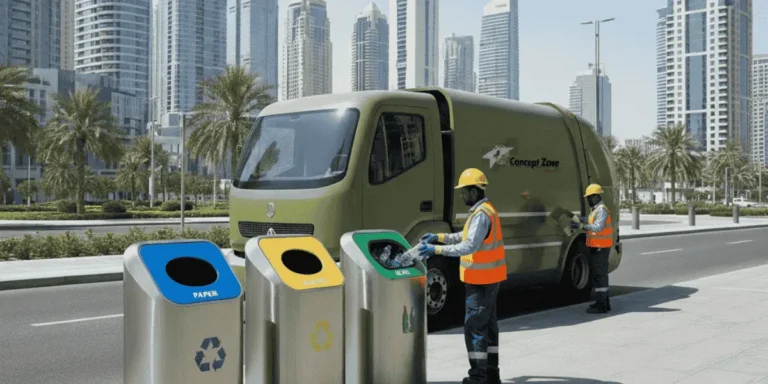
Mobile phone recycling is about gathering up old phones, removing components and repurposing metals and plastics to reduce both garbage and mining.
Every phone contains gold, silver, copper and rare earths, which are frequently valuable enough to merit reclamation when treated at scale.
When properly recycled, it keeps toxic elements such as lead out of landfills and saves energy over virgin ore.
To assist in selecting a safe, simple path, the subsequent sections address certified programs, data wipe steps, trade-in alternatives and local regulations.
The Benefits of Mobile Phone Recycling
Mobile phone recycling, as part of the electronics recycling law, reduces landfill waste, prevents toxic leaks, and recovers valuable metals that can be reused in new mobile devices. This process further reduces greenhouse gases by displacing virgin materials and promotes the circular economy.
1. Environmental Protection
Old phones leach lead, cadmium, and mercury when dumped. Certified recycling prevents these toxins from leaching into soil and water and mitigates health risks for local populations.
Burning or burying e-waste emits fine particles and toxic compounds. Appropriate collection and processing reduce air, water, and soil pollution associated with informal disposal and open burning grounds.
Mining for fresh ore drives it. Mobile phone recycling eases pressure on sensitive regions, which helps safeguard native biodiversity by reducing the land, water, and chemical footprint associated with virgin extraction.
Eco-friendly approaches, including safe take-back spots, inspected locations, and visible monitoring, coordinate with management objectives that numerous municipalities and companies already follow. The key hurdle is a poor return rate of phones that have reached the end of their life, so awareness and convenient drop-off locations are important.
2. Resource Conservation
Each phone contains copper, gold, palladium, rare earth elements, plastics, and glass. Recycling permits these materials to return to production, which promotes a circular model and reduces waste.
Every new handset can demand around 13 tonnes of water and 300 to 500 kWh of energy to manufacture. Recycled inputs reduce that need. It minimizes impacts from blasting, tailings, and extended supply routes as well.
More brands now declare recycled aluminum frames or recovered rare earths in speakers and haptics. Smartphones are great.
Phones recycled responsibly now save metals that will be more difficult and expensive to extract in the future.
3. Energy Savings
Manufacturing metals from scrap generally requires significantly less energy than from ore. This saves energy in smelting, refining, and component builds.
Less shipments of raw materials and less refining reduce the carbon footprint. It eases peak loads on grids in mining regions, too.
Clean grids still win when the energy intensive mining and chemical refining subsides because demand falls and volatility decreases.
Process improvements such as closed-loop hydrometallurgy reduce energy consumption even in recycling.
4. Economic Value
Refurbished units command great worth in a lot of markets, and trade-in credit or cash buyback incentivizes returns. That opens up revenue for consumers and stock to circular retailers.
Repair centers, certified recyclers and logistics centers generate skilled employment. Material recovery, such as gold from boards and copper from wiring, boosts average return for initiatives.
Wide take-back drives, transparent rewards and enterprise e-waste agreements assist in expanding the industry.
5. Community Support
Phones donated can power nonprofits or turn into educational, safety, or job search phones. They provide discounted or free access to individuals experiencing temporary hardship.
Public drives instill easy habits such as backing up, wiping, and returning which extends awareness from phones to other e-waste. Whether local events, school challenges, or workplace drop boxes, they all build bonds and keep gadgets in the cycle.
Need Fast & Reliable Waste Collection in Dubai?
Navyom Waste Collection Services offers same-day pickups, eco-friendly disposal, and certified recycling solutions for homes and businesses across Dubai.
Book Your Pickup NowWhat Happens to Recycled Phones?
Recycled cell phones flow through a traceable supply chain designed to reclaim components and materials, keeping e-waste out of landfills. We inspect mobile devices for reuse before sending them to safe processing for parts, metals, plastics, and glass. While recycling programs differ by country, the key steps remain consistent and trackable when performed by certified recyclers.
Collection
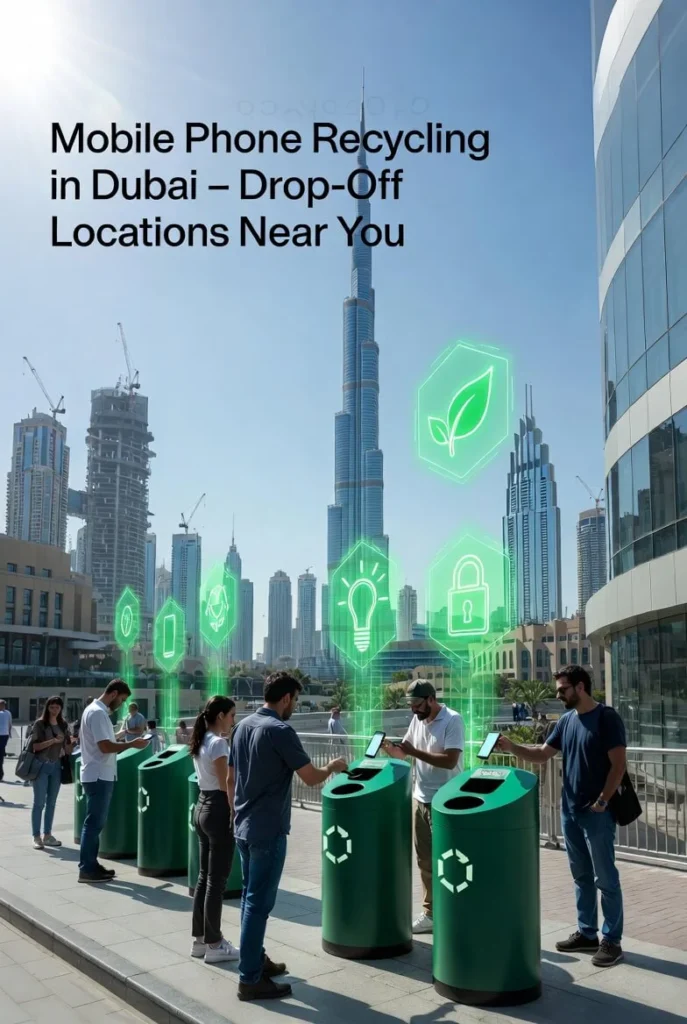
Used cell phones are collected at various drop-off points such as redemption centers, take-back kiosks, and retail partners, including international retailers who accept multiple brands. Manufacturer responsibility programs and carrier initiatives add prepaid mailers and return points to facilitate the recycling program. Local authorities host e-waste stations that accept electronic devices with or without chargers, enhancing consumer convenience in electronics recycling.
Mail-in kits assist rural and busy users, while community drives simplify the recycling opportunities for large groups. Businesses and public agencies often coordinate bulk returns, which cuts transport costs per unit and improves tracking, helping audit where these mobile devices go next. The demand for recycling old cell phones is evident; in 2009, 420 million phones were tossed aside in the US, with only 12 million being recycled.
The recycling rate is concerning as the UK has a comparative gap, with just over 12 percent of phones sold having been recycled so far. This highlights the need for better electronics recycling practices and awareness among consumers and manufacturers alike.
Sorting
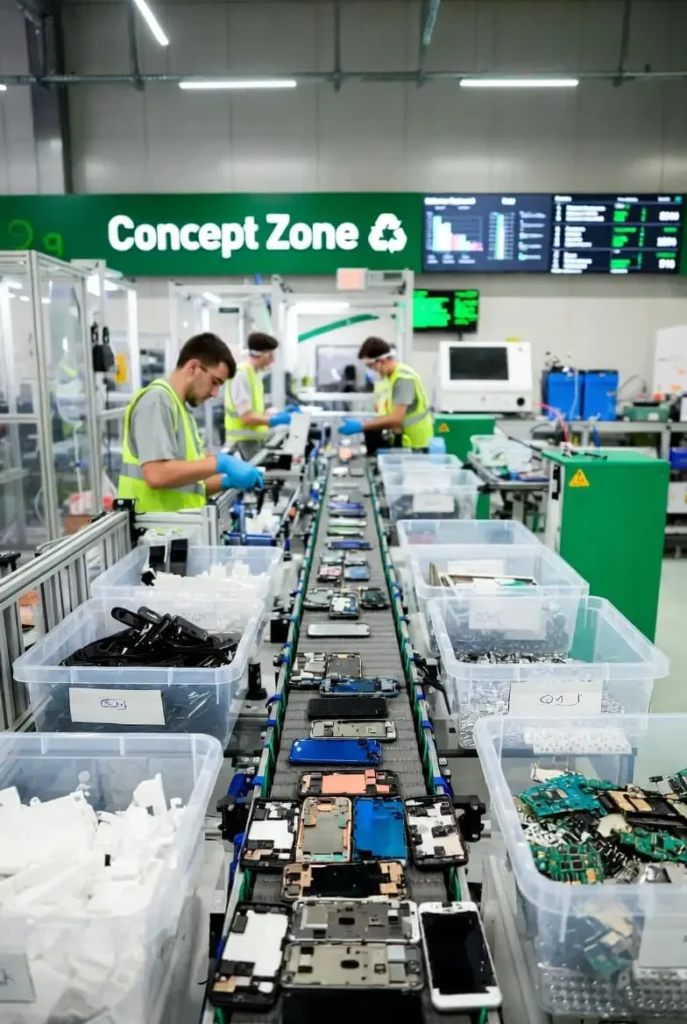
Upon receipt, phones are sorted by type, manufacturer, and condition. The first check is reuse potential. If a phone powers on and passes basic tests, it may be refurbished, wiped, and loaded with new software.
Recyclable units are sent to a recycling facility. Smashed or locked phones head to parts harvesting. Batteries, chargers, and accessories are separated and directed into dedicated streams because lithium cells and power bricks require specific processing.
Non-working devices are labeled for disassembly. This step reduces risk downstream and increases yield because like materials remain together.
Extraction
Technicians strip boards, screens, cameras, and frames. Circuit boards are abundant in gold, silver, and copper. These are extracted through controlled smelting or hydrometallurgy with emissions capture.
Plastics and glass head to processors that provide feedstock for new electronics or other products. Units that can’t be reused get broken down. The metals and plastics are sold as raw materials to manufacturers.
Safety is front and center. E-waste constitutes approximately 70% of hazardous waste in American landfills. In landfills, phone materials can pollute air, soil, and water. Others still burn boards to get their metals, releasing toxic fumes, whereas certified facilities avoid open burning and treat effluent.
Recovery rates matter. The gold in global e-waste equals up to 11% of the annual mined supply, a strong case for transparent, audited recycling.
How to Recycle an Old Mobile Phone
Recycling reduces e-waste and conserves materials, especially from old cell phones and electronic devices. Almost 50 million tonnes of e-waste are generated each year, and it is estimated that just 20% of this is properly recycled through effective electronics recycling programs.
- Back up files, photos, and app data
- Sign out, remove accounts, and factory reset
- Take out SIM and SD cards
- Pick a certified recycler or donation program
- Choose drop-off, mail-in, kiosk, or trade-in
- Confirm guidelines, hours, and accepted models
Backup Data
Use a simple checklist before you touch settings:
- Photos and videos
- Contacts
- Messages and call logs
- Authenticator codes and 2FA backups
- Notes, voice memos, and recordings
- App data (such as chats and health data)
- Files in local folders
- Browser bookmarks
Cloud tools do nicely. Such as Google Drive, iCloud, OneDrive and vendor backup apps. A few chat apps require in-app backups.
Backup backup. Log into another device or web portal, spot check folders, and make sure 2FA recovery is in place.
Erase Information
First, sign out of major accounts to break device links: email, cloud storage, app stores, and payment apps. Turn off Find My or comparable locks.
Then factory reset from Settings. This erases personal content and resets options.
If you deal with sensitive work files, employ certified data erasure programs or overwrite features where possible. Some sellers provide secure reset utilities.
Reset and check. Skip sign-in, open Gallery, Files and Messages to make sure they are empty. Delete stored eSIM profiles and forget paired Bluetooth devices in case the menu is still accessible.
Remove SIM/SD
Remove and retain your SIM card, as it could contain contacts and is reusable. Repeat for any microSD card.
If you’re not going to use them again, keep cards in a mini envelope or case. If you must dispose of them, hack the SIM chip and wipe or destroy the SD card.
Verify each slot and tray, even dual-SIM bays. These will be rejected as well.
Find Recycler
Search trusted options: local e-waste centers, like Concept Zone, retailer drop-offs, carrier trade-ins, ecoATM kiosks, and nonprofit donations. Online databases catalog programs in dozens of regions and can narrow by device type.
See how it stacks up. Mail-in kits are ubiquitous and inexpensive, frequently less than $10. Trade-ins provide cash or credits, while donation programs send devices to nonprofits. Some take cases; otherwise, reuse cases as cord monsters or small tool bags.
Check for certification like R2 or e-Stewards and inquire about data practices. Programs differ, so check services, hours, accepted models, and any prep steps in advance of your visit. It recovers metals, saves resources, and reduces e-waste.
Overcoming Recycling Misconceptions
Mobile phone recycling isn’t niche or risky. It’s practical, secure, and everywhere. With the world producing approximately 62 million tonnes of e-waste annually and the average North American owning 13 devices, the stakes are high.
Recycling keeps toxic waste out of landfills and protects our health. It’s good to get valuable metals back into circulation.
Data Security Myths
- Back up your data to a cloud or computer.
- Sign out of accounts (email, messaging, cloud, app stores).
- Remove SIM and microSD cards.
- Encrypt the phone if it supports it, then run a factory reset.
- Use a verified data erasure tool for added assurance.
- Hack over recycling phobias. Leave the storage chip out or ask for it to be shredded when you can.
- Retain erasure proof or a recycler receipt.
A factory reset with built-in encryption wipes personal data from most newer phones. When they need to, certified erasure tools write over storage to a configured threshold, sealing holes that concern many users.
Trusted programs with R2 or whatever, for example, focus on privacy. They use audited chains of custody, device tracking, and secure data destruction, not mixed-in-with-the-trash dumpster-diving.
These controls mitigate risk and prevent waste.
Value Misjudgments
- Example buyback options include Apple Trade In, Samsung Trade-In, Amazon Trade-In, Best Buy, EcoATM, Back Market, Decluttr, carrier programs such as Vodafone, Orange, and Verizon, and regional refurbishers.
Old/broken devices are still valuable. One ton of thrown away phones has more gold than one ton of gold ore, and it contains copper, palladium, and rare earths.
Even dead phones can be scavenged for components. Recycling trumps landfill in terms of both cost and impact.
Reclaimed metals reduce mining needs, and eco-friendly treatment avoids hazardous leachate. With so many e-waste programs free or cheap, it’s an easy option for home and office.
Effort Perceptions
Recycling is easier. A lot of people assume it’s either time-consuming or confusing. Our new alternatives are fast, transparent, and local.
Prepare your phone: charge to a safe level, wipe data, remove cases and cards, and note the model. Dealers, municipal events, or certified e-waste centers are options for drop-off.
Mail-in labels from buyback sites let you ship from home. Seek out R2‑certified providers to keep devices out of sketchy pathways.
Export risks are generally with non‑certified companies, not audited operators. Create a habit by incorporating “recycle or trade in” into your upgrade checklist.
Connect it to new phone day, office cycles, or your yearly purge.
The Hidden Social Cost of E-Waste
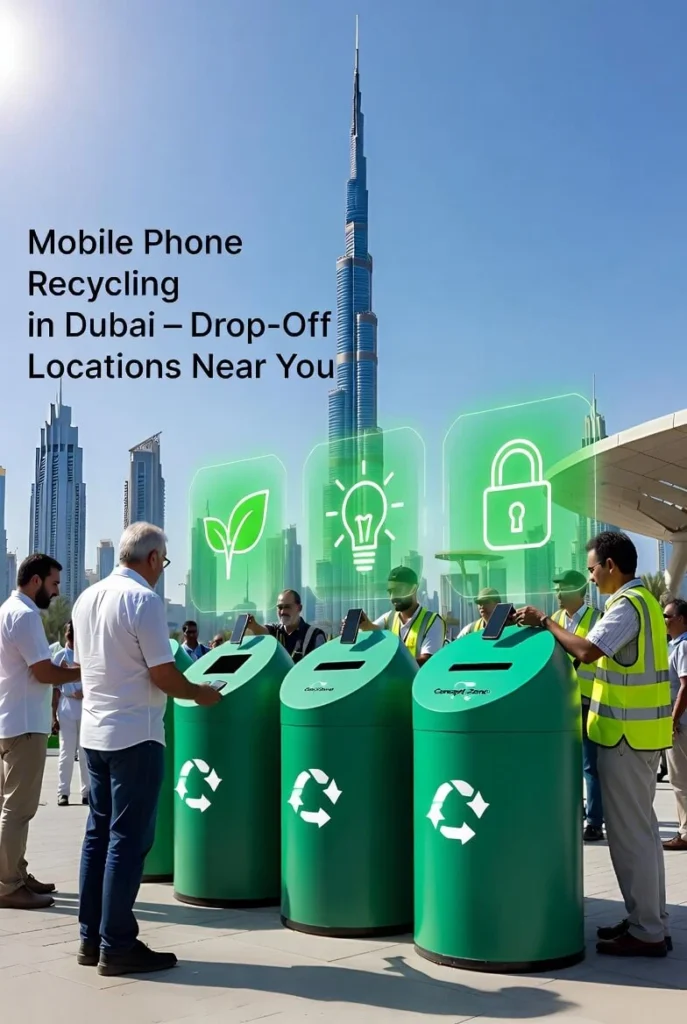
Mobile phone recycling isn’t just a waste story; it’s a human and environmental tale. The smartphone boom revolutionized supply chains and daily life in less than twenty years, but it expanded social divides and burdened ecosystems, highlighting the need for an effective electronics recycling law.
Expose the health and safety risks faced by workers in informal recycling sectors.
Informal recyclers strip phones with bare hands, crack batteries, and burn cables to free metals. They inhale lead, mercury, and brominated flame retardants. Acid baths used to leach gold cause burns and respiratory harm.
Lithium-ion fires spread toxic fumes. Clinics near major scrap hubs report chronic cough, headaches, and skin lesions tied to this work. Children sort shards and wires without masks or gloves, often next to open drains.
The risks start earlier in the chain, too. In mineral supply, workers as young as seven years old earn about $1 a day mining ores that feed electronics. Sites lack safety gear, clean water, or worker oversight.
Long hours in pits lead to injuries, hearing loss, and heavy-metal exposure that harms brain and organ development.
Discuss the environmental degradation caused by unsafe dumping and burning of e-waste.
Unregulated dumping deposits phones in open landfills where rain leaches metals into soil and groundwater. Research ties informal locations to cadmium and lead in crops and fish.
As much as 85% of toxic waste is dumped in landfills, many in Asia or Africa, exacerbating local pollution. Burning plastics releases dioxins and furans that drift for kilometers, coating neighborhoods and farms.
Each handset seems small, but scale matters: global smartphone ownership stands near 4.3 billion people. In the EU alone, 11 kilos per person were collected in 2021, and much more flies under the radar.
Highlight the global impact of electronic waste on vulnerable communities and ecosystems.
Conflict minerals—tantalum, tin, tungsten, and gold—have funded armed groups with documented connections to human rights abuses in the DRC. Mining communities experience violence, forced labor, and depletion of farmland.
Manufacturing adds pressure: making one phone creates waste about 200 times its weight and still leans on fossil fuels. Downstream, improper cellphone disposal squanders some $60 million in recoverable metals annually in the U.S. Alone.
Replacement habits add fuel: over 60% of sales replace working devices and 90% of those phones still function when tossed.
Advocate for supporting formal recycling channels to reduce social and environmental harm.
Formal recyclers employ sealed processes, worker training, and audited tracking to recover metals and prevent toxic leaks. They slow the drain to informal sites and dampen demand for virgin ore.
Practical steps include trading in phones with certified programs, requesting repair or battery swaps before upgrading, choosing models with spare parts and longer software support, and asking brands for conflict-mineral due diligence.
Cities and carriers operate take-backs now; go for the legit drops, not mixed bins. Small choices scale: when more devices enter certified streams, fewer end up burned or dumped, and more value returns to the supply chain.
The Future of Mobile Phone Recycling
Our mobile devices are being replaced quicker than ever before, with nearly 150 million smartphones being dumped annually within just 2 to 3 years! Many consumers hoard old cell phones instead of participating in electronics recycling programs, as studies show that 36% to 80% of people keep them as backups, worry about data privacy, or simply don’t know where to recycle them. This behavior significantly contributes to one of the most rapidly expanding waste streams on the planet, posing genuine health and environmental hazards.
Anticipated Trends and Developments
| Trend | What to expect | Why it matters | Practical example |
|---|---|---|---|
| Smarter take-back networks | Drop-off at retail, mail-in kits, home pick-up | Cuts the “no convenient option” barrier | Parcels with pre-paid labels tied to IMEI |
| Traceable recycling | QR codes and blockchain-led chains of custody | Builds trust on data wipe and reuse rates | Apps showing device status and final outcome |
| Design for reuse | Modular parts, standard screws, longer software support | Extends life, improves parts harvest | Battery swaps and camera module upgrades |
| Automated recovery | AI sorting, robotics, hydrometallurgy | Higher yield of cobalt, gold, rare earths | Robot arms remove batteries at scale |
| Secure data-by-default | Certified erasure, on-device kill-and-wipe modes | Eases privacy fears that block returns | Simple “factory wipe with certificate” flow |
| Second-life markets | Quality-graded refurb and warranty | Absorbs stored phones into use | Grade A–C resale in verified marketplaces |
| Incentive bundles | Cash plus credits, transit or utility bill offsets | Moves units faster than non-cash perks | Instant bank payout at kiosk |
Governments will lean in harder, anticipating regulations like the electronics recycling law and compulsory take-back at the point of sale, along with extended producer accountability. These steps align with research indicating that cash payoffs outperform swag. Combined with transparent instructions and convenient returns, they improve recycling rates and keep old cell phones out of drawers. As awareness increases and alternatives become easier, consumer behavior will change accordingly.
People desire a clean handoff: quick drop-off, fair price, and proof that their data is safe. Retail-based kiosks, certified refurb dealers, and operator trade-ins can fulfill that requirement throughout cities and regions. In areas with limited service, postal kits and community collection days will fill the void, enhancing the recycling program.
Circular models will gain traction, with more smartphones designed for multiple lives: first owner, second owner, parts harvest, and then material recovery. Repair hubs close to main markets will test, grade, and warranty units, ensuring a robust recycling system.
Smelters and chemical plants will extract metals at greater yields, reducing the demand for fresh mining. This shift lowers costs and risks for brands while providing users with straightforward ways to engage in electronics recycling.
As the landscape of mobile devices evolves, manufacturers will play a crucial role in ensuring that their products comply with emerging recycling laws, ultimately benefiting the environment and society.
Conclusion
Mobile phone recycling sees evident progress. There is less garbage in landfills. More components are reused. There is safer work for those who process old equipment. There is reduced demand for new mining. This creates a tangible difference, not fanfare.
Phones are still valuable when old. Components supply repair centers. Metals go back into supply chains. Data remains secure with certified drop-off locations and wipe tools. Sometimes a little handoff can help an entire loop.
Key takeaways:
- Back up, sign out, and factory reset.
- Check certified sites or mail-in kits.
- Trade in for cash or credits.
- Ask brands about take-back plans.
- Share facts to counter myths.
A tiny step today prepares cleaner tech use. Ready to begin? Locate a certified spot near you or use a brand take-back link and recycle your phone this week!
Frequently Asked Questions
Why should I recycle my old mobile phone?
Recycling spares valuable materials like gold, cobalt, and copper from old cell phones and other electronic devices. This process reduces e-waste, decreases emissions, and safeguards health, making it a crucial part of any electronics recycling program.
What happens to a phone after I recycle it?
Certified recyclers follow the electronics recycling law to erase data, test components, and collect mobile devices. Reusable components are refurbished, while metals and plastics are extracted and reclaimed, ensuring compliance with rigorous regulations.
How do I prepare my phone for recycling?
Backup your data and remove any SIM or memory cards from your old cell phones. Log out of accounts, turn off “Find My” functions, and ensure a factory reset for proper electronics recycling.
Where can I recycle a mobile phone near me?
Utilize certified e-waste initiatives, carrier trade-ins, and manufacturer take-backs or local drop-off locations as part of your electronics recycling program. Look into your city’s e-waste centers and authorized recyclers for responsible processing of old cell phones.
Is mobile phone recycling safe for my data?
Sure, if you plan ahead and employ certified recyclers for your old cell phones, always back up, log out, and factory reset. A number of providers offer certified data wiping, so request a certificate when they can.
Can I earn money or credit by recycling my phone?
More often than not, yes. Trade-in programs and buyback companies pay according to condition, model, and storage. Even broken mobile devices can be worth something for parts or materials.
What are the hidden social costs of e-waste?
Worst case, it’s hurting workers and communities through toxic substances exposure and by keeping informal mining alive. Responsible electronics recycling means fewer health risks, safer jobs, and fair supply chains.