Since January 1, 2024, single-use plastics shopping bags are prohibited across retail. The move comes after a 25-fils charge phase and complements the UAE’s federal laws to reduce waste and litter. Discover how the plastic bag ban in Dubai affects local businesses and residents, paving the way for a sustainable future.
The vast majority of supermarkets, pharmacies, and restaurants are included in the scope, with exemptions for lightweight bags used for fresh produce and certain hygiene requirements.
These are alternatives such as reusable fabric and paper. Under are rules, timelines and compliance.
Key Takeaways
- Dubai imposes single use bags ban from 1 June 2024 in all stores and deliveries – including plastic and paper below 57 microns. The old 25 fils fee expired 31 May 2024.
- The policy is in line with the UAE sustainability roadmap and introduces more single use bans through 2025 and 2026. Businesses and residents can schedule buying and activity around each milestone.
- Prohibited items encompass thin plastic, biodegradable, and paper bags under 57 micrometers in retail, e-commerce, and food delivery. Businesses need to package audit and change to compliant materials.
- Penalties include AED 200 and doubling fine incase of recurrence up to AED 2,000. Train staff, update checkout nudges and post visible customer signage to mitigate risk.
- You can still show up to your errand or delivery with reusable shopping bags and containers. Select minimally packaged products and separate household recyclables to reduce strain on landfills.
- Businesses are able to find cloth bags and compostable or bagasse containers and recycled content. Sign up for green economy programs and broadcast compliance to build customer faith.
The Policy Unpacked
Dubai’s comprehensive single-use plastics ban is now effective for all stores and deliveries, starting June 1, 2024. This new ban prohibits plastic and thin paper bags less than 57 microns, replacing the previous 25 fils fee with an outright prohibition. This initiative aligns with UAE-wide sustainability targets to reduce plastic waste and achieve Net Zero 2050.
1. The Tariff
The 25 fils levy on single-use plastic bags is history. Starting June 1, 2024, no checkout will be able to provide single-use bags for a charge. The pivot is from a price signal to a ban.
Retailers do not have to distribute complimentary bags. Shoppers should come with reusable alternatives. Retailers can have compliant reusable or compostable bags that adhere to international standards.
The regulation covers supermarkets, groceries, pharmacies, fashion outlets, convenience stores, restaurants, cafes, and delivery apps. The end of the tariff tightens compliance and shows environmental intent.
2. The Timeline
Dubai took a staged road. Initial actions in January 2024 restricted some single-use plastics and established direction for substitutes. The June 1, 2024 start date shuts the door on single-use bags, including paper below 57 microns.
On The Policy Unpacked: Federal plans to go further on more products in 2025, with a national push, awareness work, and voluntary shifts. By January 1, 2026, a complete federal ban encompasses plastic utensils, cups, lids, and certain food containers.
Business and consumers should schedule purchases, packaging, and supply terms in advance of every milestone in order to minimize waste, stock write-offs, and fines.
| Date | Scope |
|---|---|
| Jan 2024 | Initial limits on select single-use plastics; guidance issued |
| Jun 1, 2024 | Dubai bans all single-use bags, including thin paper |
| 2025 | National awareness; wider shifts to compliant alternatives |
| Jan 1, 2026 | Federal ban on cutlery, cups, lids, containers |
3. Banned Items
All single-use checkout bags are banned: plastic, biodegradable, and paper below 57 micrometers. This is to prevent thin, disposable wrappers at source.
The ban extends to e-commerce packaging, retail checkout, and food delivery. This encompasses dark stores and cloud kitchens.
Exemptions include bags thicker than 57 micrometers, laundry bags, electronic gadget bags, garbage bags, and grain bags. These should be utilized only where required.
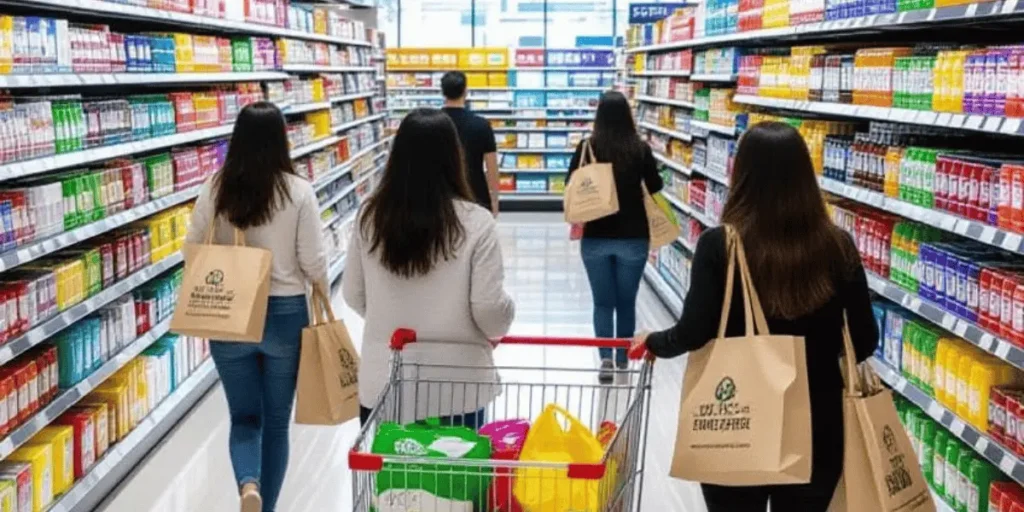
The next wave checklist for 2026 includes plastic cups, lids, straws, stirrers, plates, and select food containers. Businesses should audit SKUs, supplier mapping, and shift to reusable or certified compostable lines.
4. Enforcement
Dubai Municipality conducts inspections at major chains, independent stores, and e-commerce vendors. Fines begin at Dh200 per violation, doubling on each repeat within a year, capped at Dh2,000. Inspectors can audit point-of-sale practices, delivery packaging, and supplier invoices.
Businesses ought to train employees on what is reusable or compostable. They should deploy POS prompts that prevent single-use bag purchases and publish obvious in-store and app messaging. It is essential to maintain evidence of bag thickness, certifications, and orders.
The city’s early results show impact: 121.5 million fewer bags used in nine months. The broader UAE drive includes 57 new recycling companies launched in Abu Dhabi’s waste sector in 2023.
5. The Goal
The policy aims at plastic waste, which accounts for roughly 11% of UAE municipal waste. It supports the Dubai Clean Energy Strategy and Dubai Carbon Abatement Strategy.
The initiative promotes reusable bags and enhanced packaging, such as sturdy cloth totes or heavier kraft paper versions that can be used multiple times. Compostables must meet international standards.
Long term, the goal is habit change. The aim is to make bringing your own bag (BYOB) the default, encourage lighter packaging online, and achieve consistent reductions in climate impact by 2050.
Business Adaptation
Dubai’s progression to a comprehensive ban on single-use plastics by 1 January 2026 is causing businesses to pivot quickly towards sustainable practices. This change extends to packaging solutions, buying, education, and branding, as stakeholders anticipate the need for green alternatives.
Source eco-friendly alternatives, such as compostable packaging, bagasse containers, and recycled materials
Begin with an explicit materials map. Checkout bags: ditch plastic bags and instead use sturdy reusable ones made of cotton, jute or recycled PET. For food and retail packaging, opt for certified compostable items — search for EN 13432 or TÜV Austria OK compost labelling — which adheres to international standards.
Bagasse trays, paper cups with water‑based linings, and recycled cardboard mailers are fine for most scenarios. Pilot products in one store or route to test fit, heat tolerance, and leak control. Monitor per-unit cost, failure rates, and end-of-life alternatives.
Update procurement cycles and supplier contracts to reflect the single‑use plastics ban
Revise buying cycles today, as a lot of lead times are 3–6 months. Secure supply with framework agreements that establish volumes, prices and quality standards for compostable and recycled materials. Include certification, batch testing and change control clauses to prevent stockouts or non‑compliant goods.
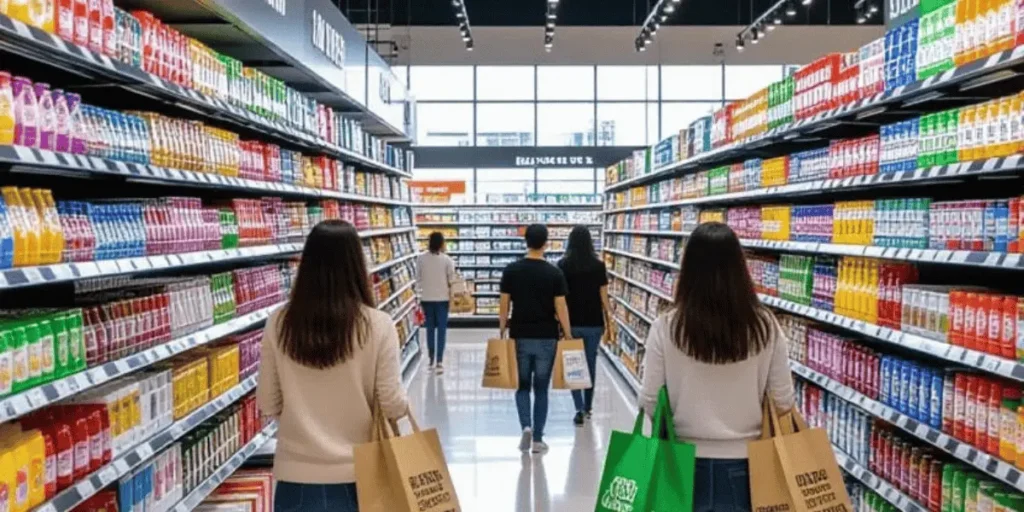
Generate buffer stock before peak periods. Map tier‑2 suppliers to identify resin or pulp supply risks. Integrate ERP codes such that teams can monitor plastic/compostable/reusable stock. That cuts rush fees and gets you to the 2026 deadline without waste.
Provide staff training on sustainable practices and customer communication regarding the ban
Educate store teams, drivers, call centers on what is banned, what replaces it and how to advise customers. Use short modules, quick reference cards and role-play scripts for common questions, like fees for bags or care tips for reusables. Innovate demonstrating how to pack hot/cold/fragile goods in new ways.
In business, ER and the health club took steps to become more adaptive and innovate around what was working. Follow questions and comeback rates to fine-tune scripts.
Participate in Dubai’s green economy initiatives and promote compliance as a competitive advantage
Plug into local initiatives that commend low‑waste shops, reuse programs or closed‑loop pilots. Post goals related to the UAE’s 2026 ban, and track advancement with easy measures — plastic pieces eliminated, compostable portion by SKU, and take‑back percentages.
Discount for customers who bring their own reusable bag, as many other countries have, and see what the uptake is. Mark certifications and proper disposal with labels and receipts. It signals alignment, fosters confidence and satisfies increasing purchaser requirements throughout international value networks.
Daily Life Changes
The UAE’s single use plastics ban significantly influences our daily life—from shopping and food to school and home routines. The government aims to reduce hard-to-recycle plastics and achieve close to zero plastics to landfill by the early 2030s, fostering sustainable practices that will change what consumers carry, purchase, and discard.
Switch to reusable bags, lunch bags, and containers for errands
Keep two or three durable reusable bags in the car, at the office, or by the door, so that those spur-of-the-moment purchases don’t end up with single-use bags. Work meals and school snacks are carried in insulated lunch bags and leak-proof containers. They hold up in hot weather and reduce the reliance on cling film or thin bags.
For takeout, carry a small reusable tote and a fresh container where permitted. This is especially handy on hot days when plastic use spikes from food service and bottled beverages. A lot of residents already do this, and the transition has reduced trash and garbage on sidewalks.
Adopt waste reduction habits at home
Set up a simple sorting station: one bin for recyclables (paper, cardboard, metal, glass, and accepted plastics), one for general waste, and one small caddy for food scraps if composting is available. Rinse cans and containers to prevent smell and keep recycling cleaner.
Buy bigger pack sizes or refill pouches to lower packaging per kg. Go for bulk goods like rice or nuts in a reusable jar. These steps complement the UAE’s expanding recycling infrastructure and assist households in keeping up with regulations.
Choose sustainable school, grocery, and personal care products
For school, choose notebooks made from recycled paper, refillable pens, and metal water bottles (0.5–1.0l). For groceries, choose loose produce, paper egg cartons and glass jars when you can.
On the personal care front, seek out bar soaps, solid shampoo, deodorant refills and safety razors with replaceable blades. These swaps cut down on single-use cups, bags and styrofoam – all of which are in the phase-out – and fit into the broader vision for a cleaner, safer environment.
Find eco-friendly options in stores and online
All the major supermarkets in Dubai including Carrefour, Lulu Hypermarket, Spinneys and Waitrose have reusable totes, produce mesh bags, bulk refill stations for some dry goods, and paper or compostable options. Concept stores and local markets sell bamboo cutlery, stainless steel straws, beeswax wraps, and repair kits.
Online listings of bulk refills for detergents and personal care, delivered in minimal packaging. Community refill drives attached to water stations have given away more than 15M liters, reducing the demand for 500 ml/1.5L plastic bottles and representing a tangible shift in everyday behavior.
They make a pragmatic difference in the short-term and bolster long-term anti-waste aspirations.
Beyond The Bag
‘Beyond the bag’ means a broader transition in the way cities eliminate plastic waste. Dubai’s bag ban nests within a broader movement across the MENA region and elsewhere to ditch single-use plastics, reimagine packaging, and cultivate habits that extend the life of materials.
Not just checkout bags. A lot of regulations are already going after cups, straws, stirrers, lids, cutlery and food containers made from single-use plastic. Some governments levy fines when businesses continue distributing banned bags, typically in the $54-$550 per violation range, which increases the cost of doing nothing.
Canvas or cloth reusable bags provide a durable alternative for everyday shopping. For meals and snacks, stainless steel cutlery, robust mugs, and hard-shell lunch boxes curb waste at office cafeterias, classrooms, and on-demand delivery. Refillable cleaning products and bulk-buy stations enable households to ditch plastic by topping up dish soap or laundry liquid in 1-2 L batches.
Reusable water bottles combined with public refill stations can drive down demand for single-use bottles at events, gyms, and malls. Reusable bags and biodegradable/compostable bags and boxes are on trial in grocery and food service. Some biodegrade strictly in hot industrial composting, while others degrade leisurely in landfills.
Labels are muddy, so consumers need to demand third-party standards and investigate local waste possibilities. Where composting isn’t established, a durable reusable alternative may very well make more sense in the long term.
Dubai and regional businesses will have to end to end operations a review. They need to trace packaging by weight and item, establish goals by product line, and collaborate with vendors to find reusable or mono-material packaging that’s simpler to sort and recycle.
Pilot deposit-return takeaway cups, incentivize reuse for those who bring their own, and train front-line staff to default to ‘no extra lid or cutlery’. These actions promote a circular economy in which goods, components, and materials cycle via reuse, repair, refill, and recycling.
Upcoming regulatory changes to watch:
| Item | Change | Geography | Timeline |
|---|---|---|---|
| Plastic straws, stirrers, cutlery | Progressive bans | UAE and wider MENA cities | 2024–2026 |
| Foam food containers | Phase-out and sales bans | Select MENA markets | 2024–2026 |
| Plastic cups and lids | Restrictions and fees | City and national level | 2025–2026 |
| Retail bags (single-use) | Full bans, fines for non-compliance | Dubai and regional peers | Ongoing 2024–2026 |
The future goal is less waste, more appropriate recycling and clever product decisions that integrate into everyday life without additional hassle or expense.
Dubai’s Green Vision
Dubai contextualizes the plastic ban as part of a larger movement toward low-carbon growth, cleaner cities, and healthier coasts. This policy complements big energy initiatives, eco-friendly building standards, and efforts that connect everyday life with long-term climate ambitions. The single-use plastics ban aligns with the emirate’s vision for sustainability and reducing plastic pollution.
Dubai’s green agenda is transparent. The Mohammed bin Rashid Al Maktoum Solar Park will hit 5,000 megawatts by 2030, becoming the largest single-site solar project in the world. Rooftop solar benefits locally, too, growing under local programs that link homes and businesses to the grid and reduce peak demand.
In the built environment, Dubai’s Green Building Regulations guide insulation, cooling loads, water use, and materials, which helps cut energy bills and lowers emissions in a hot desert climate. City schemes increase transit, cooling, and tree canopy, while the city expands waste solutions, including a key waste-to-energy facility to minimize landfill use.
With its single-use plastics ban in Dubai, in effect since January 1, 2024, the emirate is phasing out single-use plastics nationwide: stirrers, cups, and straws by January 2025; plastic plates and food containers by 2026. This is in line with the UAE Net Zero strategy and broader worldwide efforts addressing pollution and climate.
Less plastic usage equals less upstream oil-based emissions and less downstream disposal emissions. It creates opportunities for a green economy based on reuse, recycling, and smarter product design. Retailers can switch to sturdier bags, such as kraft paper bags, or alternatives from certified sources like jute or cotton bags.
No longer confined to the realm of eco-holics, reusable bags are making the transition from tree hugger to fashion accessory. Local companies can invest in refill systems and smart packaging that cuts down on waste, promoting sustainable practices that benefit the environment.
It answers damage observed on shore. DU divers say UAE plastic kills fish and turtles. In 2022, nine out of ten turtles that died just off the UAE coast had plastic in their stomachs, officials discovered. This alarming statistic highlights the urgent need for effective solutions to combat plastic pollution.
Microplastics introduce a silent danger, entering the food chain and posing potential risks to human health. According to a World Bank report, inhabitants of the Middle East and North Africa contribute over 6 kilograms of plastic waste to surrounding seas annually, emphasizing the need for a comprehensive ban on problematic plastics.
The UAE frames the plastic ban as a future-facing initiative to protect land and seas for generations to come. While Dubai’s Green Vision, Minister of Climate Change and Environment Dr. Amna bint Abdullah Al Dahak has called for collective action and urged people to be agents of change, putting daily choices at the heart of the policy.
Sustainable Shopping
Sustainable shopping in Dubai is about getting back in sync with the single-use plastics ban and taking advantage of the change to trim waste in daily life. The goal is simple: bring less single-use home, and pick goods and stores that keep waste low without hurting quality or price. This aligns with the broader push for sustainability in the emirate.
Select shops and labels that employ little packaging, recycled paper or cardboard, and take-back schemes for bottles or boxes. Seek out transparent sourcing and labor disclosures, as well as verification of recycled content or third-party certifications. Green picks in Dubai include Organic Foods and Café for pantry staples, Ripe Market for local produce, and Carrefour, Spinneys, Waitrose and Choithrams for reusable bag stations and eco aisles.
For fashion, The Giving Movement, Retold (pre-loved), Thrift for Good, and brand ‘conscious’ lines help cut the footprint of new duds while promoting sustainable practices. This is crucial as the emirate shifts towards a more environmentally friendly retail landscape.
Make a minimal checklist and carry it in your phone or wallet. Bring along 2-3 reusable bags (canvas or woven jute), 1 foldable tote for those surprise purchases, and a couple of kraft paper bags if you like. Include one or two reusable produce bags, a clean deli/bakery container for stores that permit, and a stainless-steel bottle and cup.
Shop organic or low-pesticide produce when you can, purchase loose fruit and veggies, and opt for bulk or refill stations for grains and soap. Bag it for singles, such as a bottle of water. Many people living here now do this as a standard. If you forget a bag, purchase a durable one and consider it part of your kit for next time.
Behavior is already changing. Across the UAE, the capital saw a reduction of approximately 87 million single-use plastic bags, or roughly 90%, since the plastic ban. In Dubai, the majority of people bring their own bags nowadays, some even have a small arsenal of paper bags stored away for recycling.
A local supermarket chain reported reusable bag sales increased 30–40% after the regulations came on. Some shoppers were skeptical initially but now report the habit remains. Others, even longtime expats, had shunned single-use for years and maintained that practice. We’ve all learned, in hindsight, how much damage single-use bags did to our environment.
Support local initiatives that support this transition. Hit up small grocers with refill stations, support thrift and repair shops, and participate in community clean-ups or recycling events. Demand stores stock bulk goods, reward reusables, ditch plastic at checkout.
Transparent need directs provision, and consistent need precipitates change towards a more sustainable future.
Conclusion
Dubai established a firm direction. The bag rule drives actual change in stores and households. Stores transition to paid bags. They bring a tote or a cloth sack. Little steps accumulate. Snag a cotton sack on food runs. I keep a fold-up bag in my pack or car. Choose glass jars for bulk rice or nuts. Carry a metal bottle for water. Bite the bullet on excess packaging for impulse purchases. These practices reduce waste and save money in the long term.
The big win connects back to a clean city and a low trash load. Clever moves today simplify tomorrow. Got a hack that works in your everyday shop? Leave a note and share your best exchange!
Frequently Asked Questions
What does Dubai’s plastic bag ban cover?
Dubai has implemented a comprehensive ban on single use plastics, eliminating the use of single use shopping bags along with other disposable plastic products. This new law targets lightweight carrier bags, while still allowing for reusable alternatives.
Are any bags exempt from the ban?
Yes. Typical exemptions under the new ban include roll bags for loose produce, meat, fish, and bakery items, as well as trash bin liners and garment cover bags. Exemptions may vary, so consult Dubai Municipality’s most recent list before sourcing sustainable packaging solutions.
How should businesses adapt to comply?
No longer supply single-use plastics, such as plastic shopping bags. Instead, provide sturdy, reusable alternatives like woven polypropylene, cotton, or jute. If opting for kraft paper bags, choose hardier, reusable styles. Train staff, update POS prompts, and add clear signage to ensure compliance with the new ban.
What should shoppers do differently?
Carry a reusable bag, ALWAYS! Store foldable totes in your car, backpack, or stroller. If you forget, purchase a sturdy bag at checkout and reuse it. Opt for unpackaged produce when you can.
Are biodegradable or paper single-use bags allowed?
No, if they’re single-use carrier bags. The single-use plastics ban targets single-use items, not material. Biodegradable and kraft paper bags are typically banned, while multi-use, durable options may be fine if they’re made to be reused.
What are the penalties for non-compliance?
Retailers in Dubai must adhere to the new single use plastics ban, facing fines and inspections for providing banned bags. Enforcement details and penalties have been outlined by Dubai Municipality to ensure compliance with sustainable practices.
How does this support Dubai’s green vision?
It slashes plastic pollution, safeguards marine life, and reduces waste to landfill. This new ban promotes a reuse mindset and champions Dubai’s wider climate and circular economy ambitions, aligning with national sustainability objectives.