Proper recycling in 2025 means rinsing containers, following local guidelines, avoiding wishcycling, and sorting clean materials correctly. These habits help prevent contamination, reduce landfill waste, and support new recycling technologies and regulations.
Getting recycling right is among the quickest things individuals can do to reduce their carbon footprint, save resources, and combat climate change. As the EPA and recent 2024–2025 studies have shown, up to 25% of the materials in curbside recycling bins are contaminated and headed right for landfills.
This updated 2025 guide provides you with actionable, location-specific, and tested smart recycling tips that genuinely work, along with fresh strategies for zero-waste living, composting, and embracing the circular economy.
Why Proper Recycling Matters More in 2025
- Global recycling rates have stalled at ~18% for plastics.
- New U.S. and EU regulations are banning more single-use items.
- Advanced sorting facilities using AI and robotics now reject contaminated loads instantly.
Mastering these habits will not only help you become part of the solution to recycling contamination but also encourage others in your community to do the same. Start by thoroughly rinsing out containers before placing them in the recycling bin. This simple step removes food residue that can spoil entire batches of recyclable materials. For example, a pizza box with greasy remnants can ruin cardboard recycling, so it’s essential to keep it clean.
Additionally, be aware of what items are recyclable in your area. Different municipalities have different rules about what can and cannot be recycled. Always check your local recycling guidelines to avoid mistakenly placing non-recyclable items in the bin. Items like plastic bags, polystyrene foam, and certain types of glass can cause significant problems at recycling facilities.
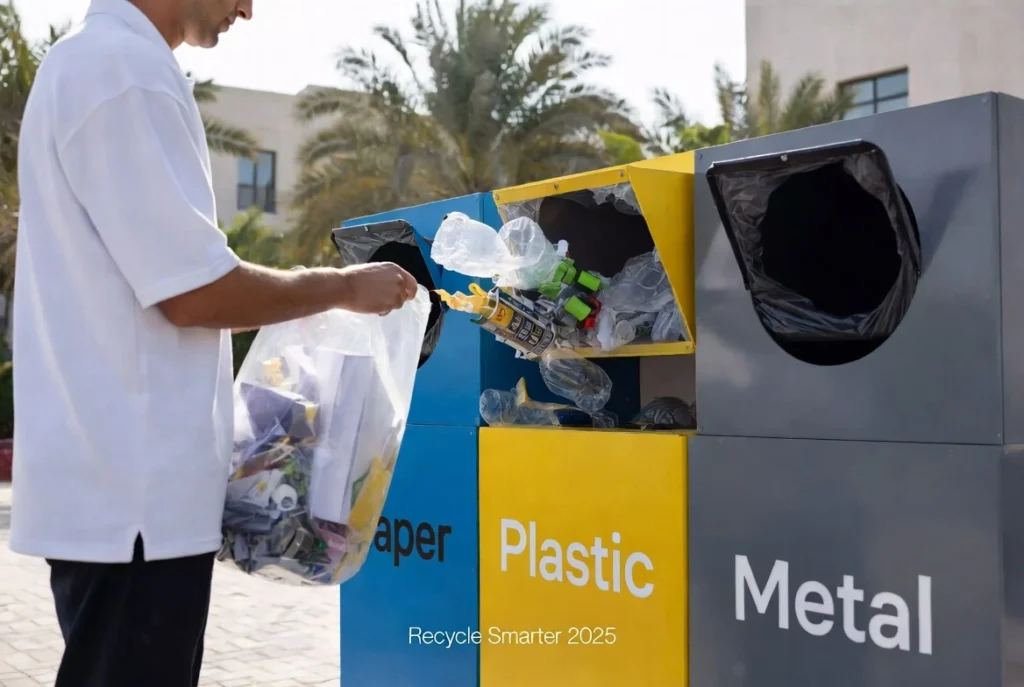
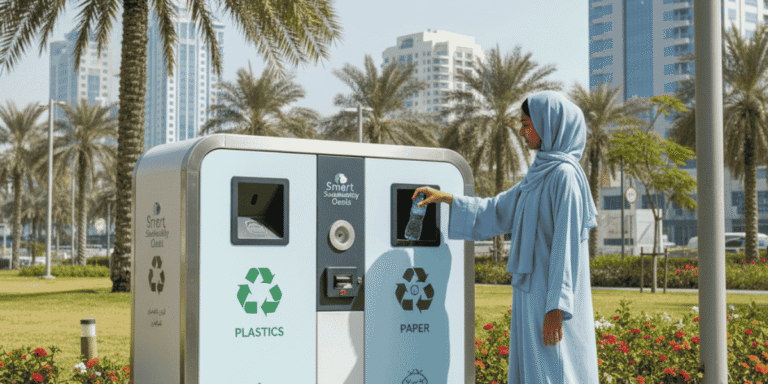
Furthermore, consider reducing the amount of contamination by sorting your recyclables at home. Set up separate bins for paper, plastics, and metals, and make it a family activity to ensure everyone is involved in the process. Educating yourself and your loved ones on the importance of proper recycling can create a ripple effect, promoting a culture of sustainability.
Lastly, stay informed about new recycling technologies and practices. Many communities are now offering advanced recycling programs that can process materials that were once deemed non-recyclable. By staying engaged and adaptable, you can contribute to a greener planet and inspire others to join the cause.
20+ Smart Recycling Tips for 2025
Preparation & Education
- Check Your Local 2025 Recycling Guidelines (Essential First Step) Enter your zip code on your city’s waste authority website or use apps like “Recycle Coach” and “iRecycle” to get the exact rules for your area — rules change yearly.
- Master the 7 Recycling Resin Codes (With 2025 Updates) #1 PET, #2 HDPE, and #5 PP are widely accepted. #3 PVC, #6 PS, and #7 “Other” are rarely recycled curbside in 2025.
- Stop Wishcycling Immediately When in doubt, throw it out (or research it). One contaminated item can ruin an entire truckload.
- Rinse, Dry, and Remove Lids Properly Quick 5-second rinse → dry → lids go in separately or in the trash (depending on local rules).
- Flatten Cardboard and Crush Cans Saves space in your bin and helps trucks carry 30–50% more material.
Daily Habits That Slash Waste
- Switch to Reusable Everything in 2025 Stainless steel or glass water bottle, beeswax wraps, silicone food bags, and cloth produce bags.
- Shop the “Zero-Waste” or Bulk Aisle Bring your own jars and bags to refill pantry staples — saves 200+ plastic packages per year.
- Master Home Composting (Even in Apartments) Bokashi, vermicomposting, or community drop-off turns 30% of household waste into rich soil.
- Buy Products Made From Recycled Content Look for “100% recycled paper,” “ocean-bound plastic,” or “post-consumer recycled” labels.
- Refuse Single-Use Plastics at Restaurants Carry a collapsible straw, spork, and coffee cup — many cities now charge for disposables.

Advanced & Community Tips
- Use Store Take-Back Programs Grocery stores (Target, Walmart, Kroger) and office supply stores accept plastic bags, batteries, ink cartridges, and even old electronics.
- Recycle Small Electronics Correctly Best Buy, Staples, and Call2Recycle locations take everything from phones to batteries for free.
- Participate in TerraCycle Free Programs Recycle hard-to-recycle items (toothpaste tubes, contact lenses, beauty packaging) via mail-in boxes.
- Host a Neighborhood “Recycling 101” Night One informed block can reduce contamination by 40%.
- Follow Seasonal and Holiday Recycling Drives Christmas tree mulching, pumpkin composting, e-waste days, and America Recycles Day (Nov 15).
- Advocate for Better Local Infrastructure Sign petitions for single-stream recycling, expanded compost pickup, or plastic bag bans.
- Track Your Progress With Apps Use “Litterati,” “Joro,” or “Oroeco” to log your impact and see CO₂ savings in real time.
- Learn What’s New in 2025 Chemical recycling, enzyme-based plastic breakdown, and robotic sorting are changing what’s recyclable — stay updated.
- Teach Kids Early Make recycling a game — they become lifelong zero-waste advocates.
- Go Beyond Recycling: Precycling The ultimate tip — avoid buying anything that can’t be reused, recycled, or composted.
- Bonus 2025 Tip: Support Extended Producer Responsibility (EPR) Laws States like California, Colorado, Oregon, and Maine now make companies pay for packaging recycling — support similar laws in your state.
Need Fast & Reliable Waste Collection in Dubai?
Navyom Waste Collection Services offers same-day pickups, eco-friendly disposal, and certified recycling solutions for homes and businesses across Dubai.
Book Your Pickup NowConclusion: Small Actions Create Massive Change
In 2025, achieving perfect recycling combined with an aggressive approach to waste reduction could potentially cut your household trash by an impressive 70 to 90%. This significant reduction is not just a dream; it’s entirely possible if everyone commits to making small changes in their daily habits. To get started, focus on recycling tips 1 through 5 this week. These foundational steps can lay the groundwork for more sustainable practices.
For example, when you rinse out a jar before placing it in the recycling bin, you’re not just cleaning; you’re ensuring that the materials can be properly processed in the recycling facility. Contaminants like leftover food can ruin entire batches of recyclable materials, leading them to be sent to landfills instead. Refusing single-use straws and other disposable items is another impactful habit; each straw you choose not to use helps reduce plastic waste and encourages businesses to adopt more eco-friendly practices. By sorting your recyclables correctly—keeping paper, plastics, and metals in their designated bins—you play a crucial role in the recycling process.
Try to add one new sustainable habit each month to your routine. For instance, you might start composting organic waste or opting for reusable bags when shopping. Each small action contributes to a larger goal, and over time, you’ll see how your efforts accumulate to make a real difference. Remember, every rinsed jar, every refused straw, and every correctly sorted load matters in the fight against waste contamination and environmental degradation. Making these changes together can lead to a healthier planet for future generations.

Frequently Asked Questions (Updated for 2025)
1. What are the most important recycling tips for 2025?
The top recycling tips include checking local 2025 guidelines, rinsing containers, avoiding wishcycling, flattening cardboard, and using store drop-off programs for plastic bags and film.
2. Why is proper recycling more important in 2025?
With AI-powered sorting facilities and stricter U.S./EU packaging laws, contaminated loads are instantly rejected. Clean recycling helps reduce landfill waste and supports the circular economy.
3. What items still cannot be recycled curbside in 2025?
Plastic bags, film wrap, Styrofoam, batteries, light bulbs, greasy food packaging, and most black plastic trays must go to special drop-off centers, not curbside bins.
4. Do I need to rinse recyclables before tossing them?
Yes. A quick rinse prevents contamination and ensures materials like paper, cardboard, and plastic can be processed instead of being landfilled.
5. Can pizza boxes be recycled in 2025?
Only the clean parts. Remove and compost the greasy section; recycle the clean top or bottom portion separately.
6. What is wishcycling and how do I avoid it?
Wishcycling is placing questionable items into the recycling bin hoping they’re recyclable. When unsure, check local guidelines or use apps like Recycle Coach.
7. Where should I take plastic bags and film in 2025?
Never curbside. Bring them to grocery store drop-off bins or locations participating in HOW2Recycle Store Drop-Off programs.
8. How can I recycle batteries and electronics safely?
Use Home Depot, Lowe’s, Best Buy, Staples, or Call2Recycle drop-offs. These items must never be placed in curbside recycling.
9. Is composting better than recycling food scraps?
Yes. Composting prevents methane emissions and turns organic waste into nutrient-rich soil, while food-contaminated materials ruin recyclables.
10. What’s the easiest way to reduce waste immediately?
Carry a reusable water bottle and bag, refuse single-use plastics, and start separating clean recyclables from contaminated items at home.
Start implementing these tips today and share this guide — together we can push recycling contamination rates below 10% by 2030! 🌍
Which tip will you try first? Drop it in the comments!