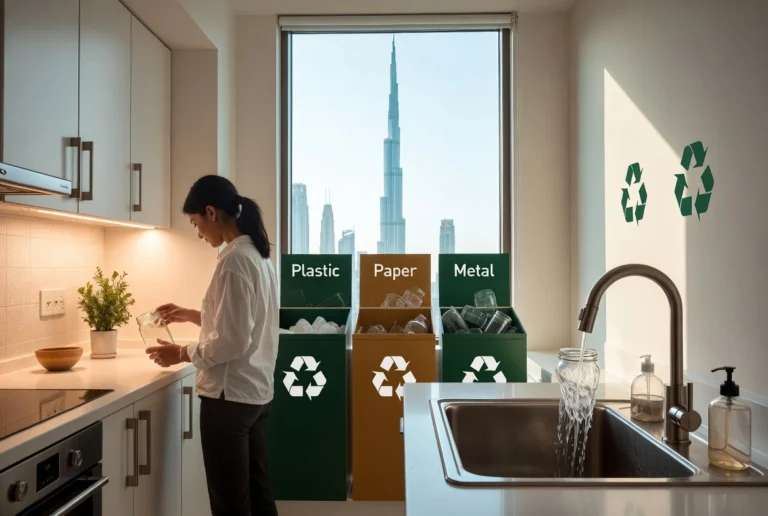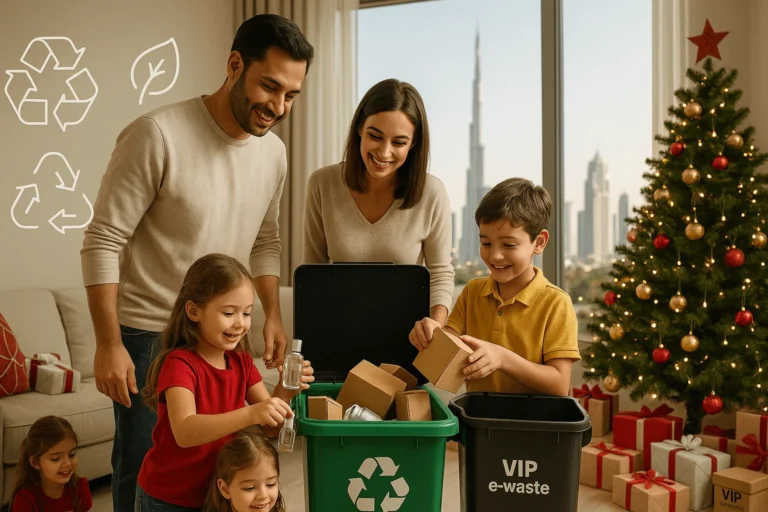
Dubai is emerging as a significant hub for the metal recycling industry, driven by its strategic location and growing infrastructure. The city’s commitment to sustainable practices has led to an increased focus on metal scrap recycling, transforming waste into valuable resources.
The metal scrap recycling in Dubai is not only beneficial for the environment but also contributes to the local economy. By recycling metal scrap, Dubai reduces the need for primary raw materials, conserving natural resources and decreasing environmental impacts.
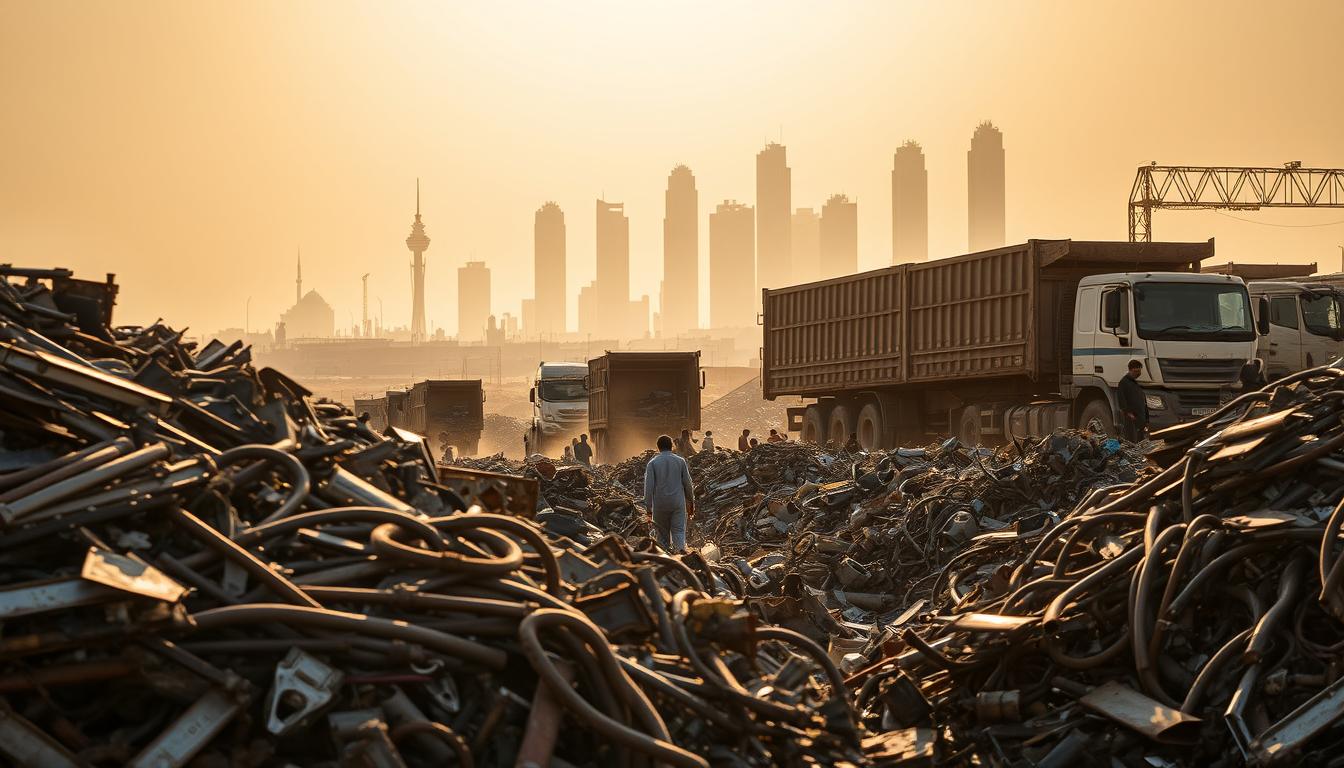
As Dubai continues to grow, the importance of efficient Dubai recycling practices becomes more pronounced. The city’s innovative approaches to metal scrap recycling set a precedent for other regions to follow.
Key Takeaways
- Efficient metal scrap recycling is crucial for Dubai’s sustainable growth.
- The metal recycling industry contributes significantly to Dubai’s economy.
- Dubai’s recycling practices serve as a model for other regions.
- Metal recycling reduces the need for primary raw materials.
- The industry helps conserve natural resources and decrease environmental impacts.
The Growing Metal Recycling Industry in Dubai
With its strategic location, Dubai is becoming a key destination for metal recycling. The city’s infrastructure and business-friendly environment have made it an attractive hub for companies involved in the metal recycling industry.
Dubai’s Position as a Regional Recycling Hub
Dubai’s emergence as a regional recycling hub is driven by its state-of-the-art infrastructure and logistical advantages. The city’s proximity to major industrial centers and its well-developed transportation network make it an ideal location for recycling operations.
The government’s initiatives to promote sustainability and reduce waste have also contributed to Dubai’s growing reputation as a recycling hub.
Recent Growth and Market Trends
The metal recycling industry in Dubai has experienced significant growth in recent years, driven by increasing demand for recycled metals and the city’s strategic location.
Recent market trends indicate a shift towards more sustainable and environmentally friendly practices in the metal recycling sector.
| Year | Growth Rate | Market Size |
|---|---|---|
| 2020 | 10% | $100 million |
| 2021 | 15% | $150 million |
| 2022 | 20% | $200 million |
Understanding the Value of Metal Scrap
The value of metal scrap is a crucial aspect of the recycling industry, influencing both economic and environmental outcomes. Metal scrap recycling is not just about processing waste; it’s about extracting valuable materials that can be reused, thereby conserving natural resources and reducing the environmental footprint of industrial activities.
Economic Value of Different Metal Types
Different metals have different economic values based on their properties, demand, and the cost of extraction and processing. For instance, ferrous metals like iron and steel are highly valued for their strength and durability, making them crucial in construction and manufacturing.
Non-ferrous metals, such as aluminum, copper, and brass, are also highly sought after due to their conductivity, corrosion resistance, and other unique properties. The economic value of these metals can fluctuate based on market demand and global supply chains.
| Metal Type | Economic Value | Common Uses |
|---|---|---|
| Iron and Steel | High | Construction, Manufacturing |
| Aluminum | Medium to High | Aerospace, Packaging |
| Copper | High | Electrical Wiring, Electronics |
Hidden Value in Everyday Scrap Items
Many everyday items contain valuable metals that can be recycled. For example, old electronics, appliances, and even some types of furniture contain metals like copper, aluminum, and steel.
By identifying and recycling these items, individuals and businesses can not only contribute to environmental conservation but also generate revenue. It’s essential to be aware of the hidden value in scrap items and to participate in metal recycling programs available in Dubai.
“Recycling metals is not just an environmental necessity; it’s an economic opportunity that can benefit individuals, businesses, and the community at large.”
Types of Metals Accepted for Recycling in Dubai
Dubai’s metal recycling industry accepts a wide range of metals, from ferrous metals like iron and steel to precious metals such as gold and silver. This diversity in accepted metals makes Dubai a significant hub for metal recycling.
Ferrous Metals: Iron and Steel
Ferrous metals, primarily iron and steel, are widely accepted for recycling in Dubai. These metals are commonly found in construction materials, appliances, and machinery. Recycling ferrous metals helps conserve natural resources and reduces the need for raw material extraction. As emphasized by industry experts, “The recycling of ferrous metals is crucial for sustainable development.”
Non-Ferrous Metals: Aluminum, Copper, and Brass
Non-ferrous metals, including aluminum, copper, and brass, are highly valued for their recyclability and economic worth. Aluminum, for instance, is widely used in packaging and transportation.
Aluminum Recycling Specifics
Aluminum recycling is particularly noteworthy due to its energy-saving benefits and the high demand for recycled aluminum in manufacturing. Recycling aluminum uses 95% less energy than producing primary aluminum, making it an attractive option for businesses and consumers alike.
Copper and Brass Value Proposition
Copper and brass are prized for their durability and conductivity, making them essential in electrical wiring and plumbing. The value proposition of recycling these metals lies in their high market demand and the significant economic returns they offer.
Precious Metals: Gold, Silver, and Platinum
Precious metals like gold, silver, and platinum are accepted for recycling due to their high intrinsic value. These metals are often found in jewelry, coins, and industrial applications. Recycling precious metals not only conserves these valuable resources but also supports the luxury goods industry.
In conclusion, Dubai’s metal recycling facilities are equipped to handle a broad range of metals, from ferrous and non-ferrous metals to precious metals. This capability underscores Dubai’s position as a leading metal recycling hub.
The Metal Scrap Recycling in Dubai Process
The metal scrap recycling process in Dubai involves several critical stages, from collection to purification. This comprehensive process ensures that metal scrap is transformed into valuable, reusable materials.
Collection and Transportation
The first step in the metal scrap recycling process is collection. Scrap metal is gathered from various sources, including households, construction sites, and industrial facilities. Specialized vehicles and equipment are used to collect and transport the scrap metal to recycling facilities. Efficient collection and transportation are crucial for maintaining the quality of the scrap metal.
Sorting and Processing
Once collected, the scrap metal is sorted based on its type and composition. This is a critical step as different metals have different recycling processes. Ferrous metals like iron and steel are separated from non-ferrous metals such as aluminum, copper, and brass. Advanced sorting technologies, including magnetic separation and eddy current separation, are used to streamline this process.
“The sorting process is crucial in metal recycling as it determines the quality of the final product.” – Dubai Municipality Guidelines
After sorting, the scrap metal is processed into a form that can be used for melting. This may involve shredding, cutting, or compacting the metal to increase its density and facilitate handling.
Melting and Purification
The final stage involves melting the processed scrap metal in furnaces at high temperatures. The molten metal is then purified to remove impurities. For instance, aluminum is melted and purified to produce high-quality aluminum alloys. The melting and purification process requires precise control to achieve the desired metal properties.
| Metal Type | Melting Temperature (°C) | Purification Method |
|---|---|---|
| Aluminum | 660 | Chemical treatment and filtration |
| Copper | 1085 | Electrolysis |
| Steel | 1510 | Basic oxygen furnace (BOF) or electric arc furnace (EAF) |
The result of the melting and purification process is high-quality metal that can be used in various industries, including construction, automotive, and manufacturing.
Economic Benefits of Metal Recycling
By recycling metals, Dubai can unlock substantial economic benefits, enhancing its position as a regional recycling hub. The metal recycling industry contributes to the local economy in various ways, creating a positive impact on the community.
Revenue Generation Opportunities
Metal recycling offers significant revenue generation opportunities in Dubai. The industry allows businesses to capitalize on the value of scrap metals, creating a lucrative market for recyclers and suppliers alike. With the global demand for metals continuing to rise, the economic prospects for metal recycling in Dubai are promising.
| Metal Type | Revenue Potential | Market Demand |
|---|---|---|
| Aluminum | High | Strong |
| Copper | Very High | Very Strong |
| Steel | Moderate | Stable |
Job Creation and Economic Growth
The metal recycling industry is also a significant source of job creation in Dubai, employing people in various roles from collection to processing. As the industry continues to grow, it contributes to the overall economic growth of the region, enhancing Dubai’s economy and providing opportunities for economic diversification.
Environmental Impact of Metal Recycling
The environmental benefits of metal recycling are multifaceted, ranging from reduced mining to energy conservation. By recycling metals, Dubai can significantly minimize the ecological footprint associated with metal production.

Reduction in Mining and Raw Material Extraction
Recycling metals decreases the need for extracting raw materials from the earth, thereby reducing the environmental damage caused by mining activities. This includes preserving natural habitats and reducing soil erosion and water pollution. Metal recycling helps conserve natural resources for future generations.
Energy Conservation and Carbon Footprint Reduction
The process of recycling metals requires significantly less energy compared to producing metals from raw materials. This reduction in energy consumption leads to a decrease in carbon emissions, contributing to a cleaner environment. Energy conservation is a critical aspect of metal recycling, as it reduces the reliance on fossil fuels and lowers greenhouse gas emissions.
Landfill Diversion and Waste Reduction
Metal recycling also plays a vital role in diverting waste from landfills. By recycling scrap metals, the amount of waste sent to landfills is significantly reduced, thereby minimizing the environmental impacts associated with landfill management. This includes reducing the risk of toxic substances leaching into groundwater.
In conclusion, metal recycling offers substantial environmental benefits, including the reduction in mining and raw material extraction, energy conservation, and landfill diversion. As Dubai continues to grow, embracing metal recycling can contribute to a more sustainable future.
How to Choose a Reliable Metal Scrap Recycler in Dubai
With numerous metal scrap recyclers operating in Dubai, it’s essential to know what factors to consider for a successful partnership. Choosing the right recycler can maximize your returns and ensure that your scrap metal is processed in an environmentally responsible manner.
Licensing and Certification Requirements
A reliable metal scrap recycler in Dubai must comply with local regulations and hold the necessary licenses. Look for certifications from recognized bodies, as these indicate adherence to industry standards and best practices. Ensure the recycler is registered with Dubai Municipality and other relevant authorities.
Pricing Transparency and Fair Rates
Transparent pricing is crucial when dealing with metal scrap recyclers. A trustworthy recycler should provide clear, competitive rates for your scrap metal. Be wary of companies that are vague about their pricing or deduct excessive processing fees. Compare rates among different recyclers to ensure you’re getting a fair deal.
| Factor | What to Look For | Benefits |
|---|---|---|
| Licensing | Dubai Municipality registration, industry certifications | Compliance with regulations, adherence to industry standards |
| Pricing Transparency | Clear, competitive rates, minimal processing fees | Fair compensation for your scrap metal |
| Collection Services | Reliable logistics, timely collection | Convenience, reduced hassle |
| Customer Reviews | Positive feedback, reputation for reliability | Trustworthiness, quality service |
Collection Services and Logistics Support
Efficient collection services are vital for a smooth recycling process. Opt for a recycler that offers reliable logistics support, ensuring your scrap metal is collected promptly and transported safely.
Customer Reviews and Reputation
Researching customer reviews and the recycler’s reputation can provide valuable insights into their reliability and service quality. Look for reviews on multiple platforms and ask for references to get a well-rounded view of the recycler’s performance.

By considering these factors and doing your due diligence, you can identify a reliable metal scrap recycler in Dubai that meets your needs and contributes to a more sustainable future.
Legal Framework and Regulations for Metal Recycling in Dubai
Dubai has established a clear legal framework to regulate its thriving metal recycling sector. This framework is designed to ensure that metal recycling practices in Dubai are environmentally sustainable, economically viable, and socially responsible.
Dubai Municipality Guidelines
The Dubai Municipality plays a pivotal role in overseeing the metal recycling industry through a set of comprehensive guidelines. These guidelines cover various aspects, including the licensing of recycling facilities, operational standards, and environmental compliance. Facilities are required to adhere to strict protocols for handling, processing, and storing metal scrap to minimize environmental impact.
Export and Import Regulations for Scrap Metal
Dubai’s strategic location makes it a significant hub for the import and export of scrap metal. The export and import of scrap metal are governed by regulations that ensure compliance with international standards and agreements. Businesses involved in the import and export of scrap metal must obtain the necessary permits and adhere to customs regulations.
| Regulation | Description | Compliance Requirement |
|---|---|---|
| Licensing | Facilities must be licensed by Dubai Municipality | Obtain operational license |
| Environmental Standards | Adhere to environmental protection standards | Regular audits and compliance reports |
| Export/Import Permits | Permits required for export and import of scrap metal | Obtain permits from relevant authorities |
International Compliance for US-Based Businesses
For US-based businesses operating in or exporting to Dubai, understanding international compliance is crucial. This includes adhering to regulations such as the Basel Convention on the control of transboundary movements of hazardous wastes. Ensuring compliance with these international regulations helps in maintaining a smooth and legal operation.

By understanding and complying with Dubai’s legal framework and regulations, businesses can ensure they operate within the bounds of the law while contributing to a sustainable metal recycling industry.
Technology Innovations in Dubai’s Metal Recycling Industry
Technological innovations are revolutionizing Dubai’s metal recycling industry, making it more competitive and environmentally friendly. The sector is witnessing significant advancements in various areas, enhancing overall efficiency and sustainability.
Automated Sorting Systems
The adoption of automated sorting systems is a game-changer in Dubai’s metal recycling industry. These systems utilize advanced technologies such as AI and machine learning to accurately sort different types of metals, improving the quality of recycled materials and reducing manual labor costs.
Digital Platforms for Scrap Trading
Digital platforms are emerging as a crucial component in the scrap trading process. These platforms connect buyers and sellers directly, facilitating transparent transactions and real-time market pricing. This not only streamlines the trading process but also opens up new opportunities for businesses to expand their market reach.
Blockchain Applications for Supply Chain Transparency
The integration of blockchain technology is enhancing supply chain transparency in Dubai’s metal recycling industry. By providing a secure and immutable ledger, blockchain ensures that all transactions are recorded accurately, reducing the risk of fraud and improving trust among stakeholders.
The combination of these technological innovations is driving Dubai’s metal recycling industry towards a more sustainable and efficient future. As the industry continues to evolve, we can expect to see further advancements in technology that will enhance its competitiveness on a global scale.
Business Opportunities for US Companies in Dubai’s Metal Recycling Sector
US companies can capitalize on the growing demand for metal recycling services in Dubai by tapping into the region’s thriving industry. With its strategic location and business-friendly environment, Dubai offers a unique platform for US businesses to expand their operations into the Middle East and beyond.
Starting a Scrap Collection Business
One of the most accessible business opportunities for US companies is starting a scrap collection business in Dubai. The city’s rapid urbanization and industrial growth have led to an increase in metal waste, creating a high demand for scrap collection services. US companies can leverage their expertise in waste management to establish a profitable business in this sector.
To succeed, it’s crucial to understand the local regulations and market dynamics. Partnering with local businesses can provide valuable insights and help navigate the complexities of the Dubai market.
Investment Opportunities in Recycling Facilities
Investing in recycling facilities is another lucrative option for US companies looking to enter the Dubai market. The government has initiated several projects to enhance recycling infrastructure, presenting opportunities for foreign investment. By investing in state-of-the-art recycling facilities, US companies can not only comply with environmental regulations but also gain a competitive edge in the market.
“The future of metal recycling lies in innovative technologies and strategic investments.” This quote highlights the potential for growth in the industry, driven by advancements in recycling technologies and increased investment.
Strategic Partnerships with Existing Dubai Recyclers
Forming strategic partnerships with existing recyclers in Dubai is a viable strategy for US companies. These partnerships can facilitate market entry by providing access to established networks and local knowledge. Collaborative efforts can also lead to the development of new recycling technologies and processes, further enhancing the efficiency of the metal recycling industry in Dubai.
By understanding the local market and leveraging their technological expertise, US companies can create mutually beneficial partnerships that drive growth and profitability.
Conclusion
Dubai’s metal scrap recycling industry is poised for significant growth, driven by increasing demand for recycled metals and a favorable business environment. As discussed, the industry offers numerous economic benefits, including revenue generation opportunities and job creation.
The environmental benefits of metal scrap recycling in Dubai are equally significant, with the potential to reduce mining and raw material extraction, conserve energy, and minimize landfill waste. By embracing metal scrap recycling, Dubai is not only reducing its environmental footprint but also creating a more sustainable future.
For US companies, Dubai’s metal recycling sector presents a compelling opportunity for investment and partnership. With the right approach, businesses can capitalize on the industry’s growth potential, leveraging Dubai’s strategic location and advanced infrastructure to access regional markets.
In conclusion, metal scrap recycling is a valuable opportunity in Dubai, offering a range of economic and environmental benefits. As the Dubai recycling industry continues to evolve, it is likely to remain a key player in the regional recycling market, driving growth and innovation in the years to come.
FAQ
What types of metal scrap are accepted for recycling in Dubai?
Dubai’s metal recycling facilities accept a wide range of metal scrap, including ferrous metals like iron and steel, non-ferrous metals such as aluminum, copper, and brass, and precious metals like gold, silver, and platinum.
How do I choose a reliable metal scrap recycler in Dubai?
To choose a reliable metal scrap recycler in Dubai, look for companies with proper licensing and certification, transparent pricing, and good customer reviews. It’s also essential to consider their collection services and logistics support.
What are the economic benefits of metal recycling in Dubai?
Metal recycling in Dubai generates revenue, creates jobs, and stimulates economic growth. It also helps reduce the environmental impact associated with metal production, contributing to a more sustainable future.
Are there any regulations governing metal recycling in Dubai?
Yes, metal recycling in Dubai is governed by regulations set by the Dubai Municipality, including guidelines for the export and import of scrap metal. US-based businesses must also comply with international regulations.
How does metal recycling contribute to environmental sustainability?
Metal recycling helps reduce the need for mining and raw material extraction, conserves energy, and decreases carbon footprint. It also diverts waste from landfills, minimizing the environmental impact associated with metal production.
Can US companies invest in Dubai’s metal recycling sector?
Yes, US companies can explore business opportunities in Dubai’s metal recycling sector, including starting a scrap collection business, investing in recycling facilities, or forming strategic partnerships with existing recyclers.
What technology innovations are driving Dubai’s metal recycling industry?
Dubai’s metal recycling industry is being driven by technology innovations such as automated sorting systems, digital platforms for scrap trading, and blockchain applications for supply chain transparency, enhancing efficiency, transparency, and sustainability.