Why fit-out contractors and mall management teams in DIFC and Business Bay lose time on waste — and how the best projects stay ahead
Interior Fit-Out Waste: Why It Becomes the Bottleneck
Interior fit-out projects don’t collapse because of bad drawings or slow approvals.
They collapse because waste movement can’t keep up with the programme.
In Dubai’s premium commercial hubs — DIFC, Business Bay, and major malls — fit-out waste is not a background activity. It is a daily operational risk that can stop work entirely if mishandled.
Unlike shell-and-core construction, interior fit-outs operate in:
- Occupied or semi-occupied buildings
- High-security environments
- Shared service infrastructure
- Extremely compressed timelines
One missed waste collection can:
- Block service elevators
- Delay multiple trades
- Trigger building management penalties
- Put the entire handover at risk
In 2026, with stricter Dubai Municipality (DM) enforcement and AI-assisted inspections, fit-out waste is no longer “small-project noise.” It is fully on the compliance radar.
What Counts as Interior Fit-Out Waste?
Interior fit-out waste is classified under C&D waste by Dubai Municipality and is subject to mandatory segregation and approved disposal routes.
Typical Fit-Out Waste Streams
- Gypsum board and ceiling tile offcuts
- MDF, plywood, and joinery waste
- Tiles, stone, ceramics, and adhesives
- Aluminium, steel, and glass frames
- Electrical conduits, wiring, MEP scrap
- Packaging waste (cardboard, plastic, pallets)
- Mixed debris from revisions and demolitions
The challenge isn’t just volume — it’s speed and frequency. Waste is generated continuously and must be removed almost immediately.
Why Commercial Hubs Make Waste Management Harder
1. Zero On-Site Storage (No Skips, No Yards)
In towers and malls:
- External skips are typically prohibited
- Internal waste holding is tightly restricted
- Corridors and fire routes must remain clear
Waste must be moved vertically, often through:
- Shared service elevators
- Basement corridors
- Loading docks with fixed booking slots
Any overflow becomes a violation, not an inconvenience.
2. Building Management Rules Are Non-Negotiable
Most DIFC towers, Business Bay developments, and malls require:
- Approved waste contractors only
- Pre-booked collection windows
- Defined movement routes and timings
- Floor, lift, and wall protection
- Immediate cleanup after removal
Failure to comply can result in:
- Access suspension
- Monetary penalties
- Written warnings affecting future approvals
3. Noise, Dust, and Visibility Restrictions
Fit-out work often runs late nights or split shifts, but:
- Breaking, cutting, and hauling debris during office hours is restricted
- Mall environments require near-silent operations
- Visible debris during trading hours is unacceptable
Waste removal must be controlled, discreet, and fast.
DIFC vs Business Bay: Same Pressure, Different Problems
DIFC Fit-Out Waste Reality
- High-security access protocols
- Strict vendor pre-approval
- Limited night-only movement windows
- Heavy penalties for common-area damage
In DIFC, waste management is as much about security and reputation as logistics.
Business Bay Fit-Out Waste Reality
- Mixed-use towers (commercial + residential)
- Congested basements
- Multiple contractors competing for access
- Overlapping schedules and shared waste bays
Here, the main risk is coordination failure, not lack of rules.
Night-Time Collections: Necessary, But Not Foolproof
Most fit-out projects rely on night-time waste collection to comply with building rules.
Why Night-Time Collection Works
- Reduced tenant disruption
- Easier service elevator access
- Building management approval
Why It Still Fails
- Trucks arriving late or missing slots
- Security delays
- Poor segregation discovered at loading time
- Overflow waste stuck until morning
When a night collection fails, contractors are forced into:
- Illegal temporary storage
- Programme delays
- Emergency (and expensive) next-day removals

How Top Fit-Out Teams Fast-Track Waste Removal
Speed does not come from shortcuts.
It comes from systems that assume waste is a critical path activity.
1. Daily Micro-Clearances (Not Weekly Clean-Ups)
Waiting for waste to “build up” is one of the biggest mistakes in commercial hubs.
Best practice in DIFC and Business Bay:
- Clear debris daily
- Remove waste at shift-end
- Keep service routes permanently open
Voice-search answer:
How often should interior fit-out waste be removed?
Daily. Storage is restricted and inspections are active.
2. Segregation at Source (Even Under Time Pressure)
Dubai Municipality guidelines (including Technical Guideline No. 7 for C&D waste) require segregation at source, including for fit-out works.
Smart sites:
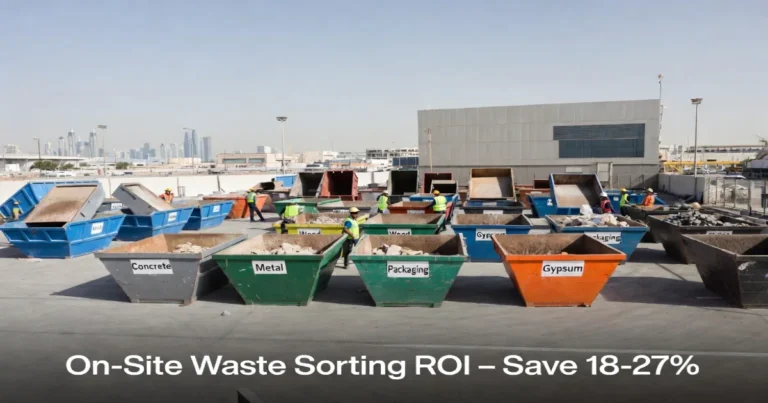
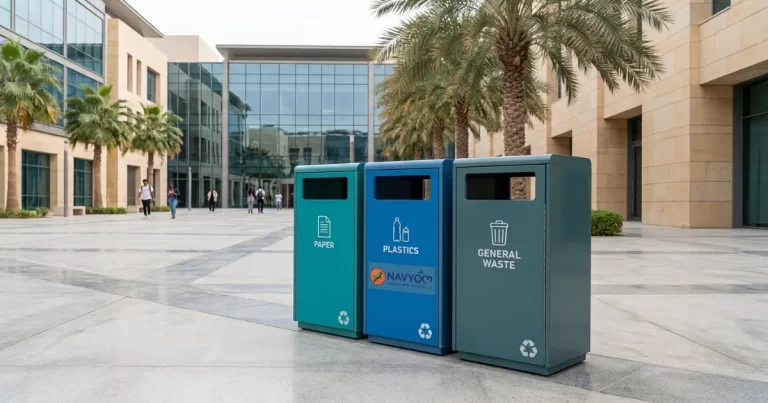
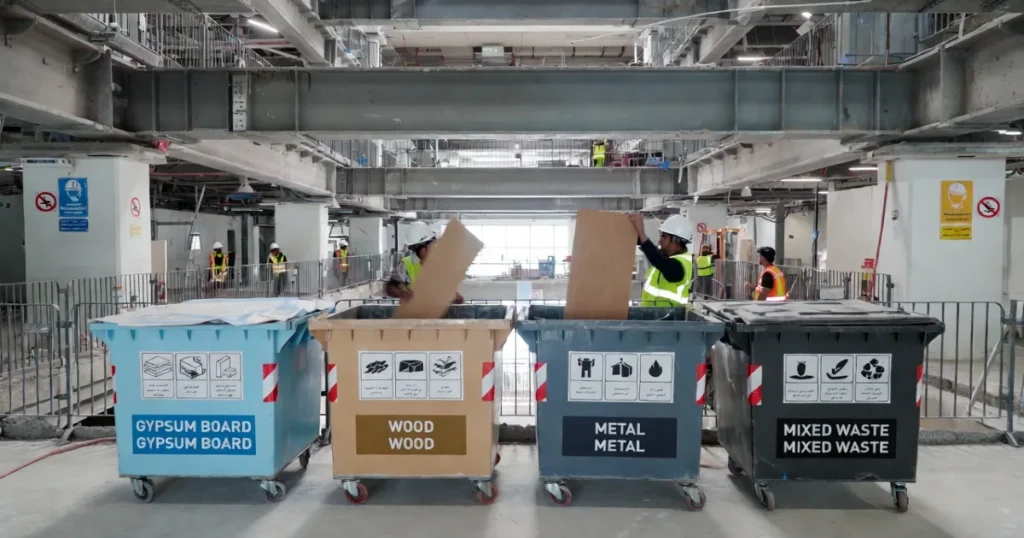
- Place labeled bins on each floor
- Separate gypsum, wood, metal, and mixed waste
- Train labour teams in under 30 minutes
Segregation isn’t slower — rejected loads are.
3. Smaller, More Frequent Collections
Large weekly trucks don’t work in towers.
Effective fit-out projects use:
- Smaller vehicles
- Higher-frequency pickups
- Flexible routing based on trade activity
This keeps:
- Corridors clear
- Elevators available
- Building management cooperative
4. Sync Waste Removal With Trades
Waste removal should align with:
- Demolition phases
- Ceiling closures
- Joinery installation
- Final snagging
The fastest projects programme waste like logistics, not housekeeping.
Mall Fit-Outs: Where Waste Mistakes Are Visible Instantly
Mall management teams prioritise:
- Customer experience
- Safety
- Brand image
That means:
- No visible debris
- No noise during trading hours
- No dust trails in service corridors
Common Mall Waste Rules
- Overnight-only waste movement
- Covered trolleys and sealed bins
- Fixed loading dock slots
- Mandatory post-removal cleaning
One breach can mean loss of access, not just a warning.
Compliance in 2026: Fit-Outs Are Not Exempt
Dubai Municipality inspections increasingly focus on:
- Accuracy of segregation
- Approved transport routes
- Disposal documentation
- Alignment between SOPs and actual practice
With AI-assisted monitoring and data-driven inspections, even small fit-out sites are flagged if waste patterns don’t match expectations.
Can interior fit-out projects be fined for waste violations in Dubai?
Yes. Fit-outs fall under C&D waste rules and are inspected accordingly.

The Hidden Cost of Poor Fit-Out Waste Management
The real damage isn’t the disposal invoice.
It’s:
- Programme slippage
- Trade downtime
- Rejected inspections
- Fines and access restrictions
- Strained client relationships
In commercial hubs, waste delays cost more than waste services.
What a High-Performance Fit-Out Waste System Looks Like
The most successful DIFC, Business Bay, and mall projects share the same fundamentals:
- Approved waste vendors in advance
- Night-time and contingency collection plans
- Floor-level segregation
- Clearly defined movement routes
- Daily clearance logs
- Compliance documentation ready on demand
This isn’t bureaucracy — it’s what keeps projects moving.
Quick Checklist: Are You Fit-Out Waste Ready?
- ☐ Approved waste contractor confirmed
- ☐ Segregation bins on every active floor
- ☐ Night-time collection slots booked
- ☐ Backup collection plan in place
- ☐ Movement routes approved by building management
- ☐ Disposal records organised
If any box is unchecked, delays are likely.
FAQs
How do I remove fit-out waste quickly in DIFC?
Use approved vendors, segregate at source, and plan daily night-time collections.
Are skips allowed for interior fit-out projects?
Usually no. Towers and malls prohibit skips and on-site storage.
Can waste be moved during office hours?
Only with restrictions. Night-time removal is preferred and often mandatory.
Is segregation mandatory for fit-out waste?
Yes. Mixed waste loads risk rejection and compliance issues.
Final Thought: Waste Speed Determines Handover Speed
In interior fit-outs, waste is not a side task.
It is a critical path activity.
The teams that hand over on time aren’t working longer hours —
they’re moving waste faster, cleaner, and in full compliance.
If you’re operating in DIFC, Business Bay, or mall environments, your waste strategy will either:
- Protect your programme
- Or quietly derail it
Struggling with waste delays, access restrictions, or compliance risks on your fit-out project?
Nayom Waste Collection Services helps fit-out contractors and mall operators implement approved, fast-track waste systems tailored for DIFC, Business Bay, and high-traffic commercial environments. From night-time collections to segregation planning and documentation, our team ensures your project stays compliant, on schedule, and disruption-free. Contact Nayom today to streamline your fit-out waste management from day one.